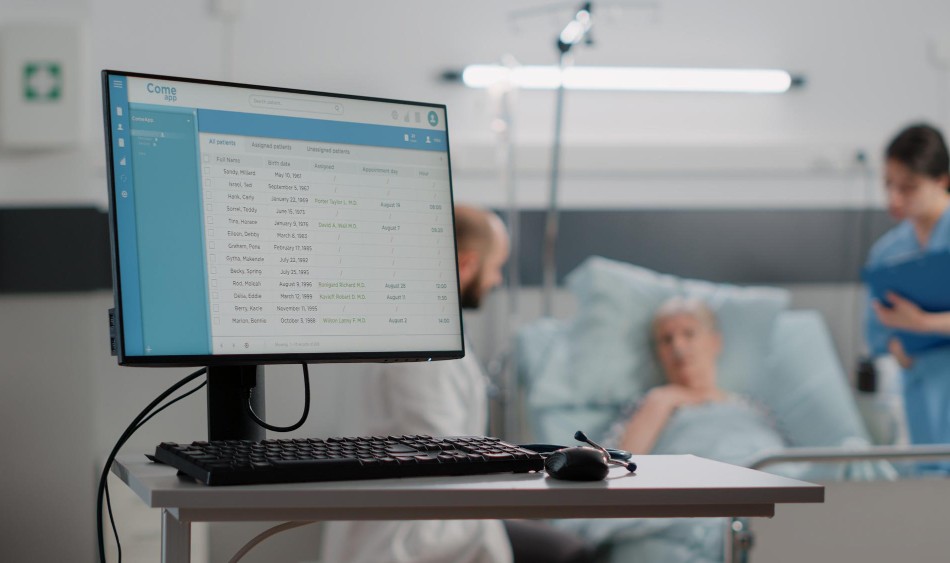
Managing Healthcare Workforce and Payroll in Nigeria
Nigeria’s healthcare system operates under unique pressures and complexities that make effective workforce and payroll management not just a back-office task, but a core operational necessity. Hospitals, clinics, primary care centres, and specialised treatment facilities collectively serve millions of patients across urban and rural regions. Yet, many of these organisations struggle to harmonize staffing needs, shift rotations, attendance, compensation structures, and statutory compliance within one efficient system.
Healthcare workforce management must balance rigorous schedules with quality patient care, while payroll teams must ensure accurate payments, statutory deductions, and legal compliance. This balancing act has become more complicated in recent years due to fluctuating patient demand, skills shortages, and the need for better workforce optimisation strategies.
At the same time, payroll in Nigeria involves multiple statutory requirements; from PAYE tax to pension and health insurance contributions, that must be calculated and remitted on time to avoid penalties and maintain staff satisfaction. Understanding how to manage both workforce and payroll seamlessly is essential for modern healthcare institutions aiming to improve financial performance, HR efficiency, and overall organisational sustainability.
The Nigerian Healthcare Context
Nigeria’s healthcare system is a complex ecosystem comprising federal, state, and local government facilities, alongside an increasingly significant private sector. This multi-layered structure provides essential services to a population exceeding 220 million, yet it faces persistent structural challenges. Chronic underfunding, workforce shortages, uneven distribution of qualified professionals, and inadequate infrastructure are widespread issues. These constraints disproportionately affect rural regions, leaving healthcare administrators to manage limited resources while maintaining service quality.
These systemic challenges intensify the complexity of workforce and payroll management in Nigerian healthcare institutions. Clinical staffing requirements fluctuate constantly depending on patient volume, seasonal disease patterns, and the complexity of care. Nurses, doctors, medical technicians, and support staff operate around the clock, requiring rotational schedules that accommodate nights, weekends, and emergency call-outs.
Labor regulations mandate strict compliance with maximum working hours, overtime policies, and statutory rest periods, while payroll systems must handle diverse compensation structures, differential pay, and allowances unique to clinical environments. Without robust workforce management and payroll solutions, healthcare organizations risk errors in salary calculations, delayed statutory remittances, compliance breaches, and overworked HR teams, all of which can ultimately compromise the quality of patient care.
Integrated HR and payroll platforms, like HRPayHub, offer real-time scheduling, automated payroll, and compliance tracking. These tools ensure that hospitals and clinics maintain operational efficiency while delivering high-quality care to patients across Nigeria. By leveraging technology, administrators can better manage shift planning, monitor attendance, and ensure accurate compensation, even for multi-location and field-based teams.
Why Workforce Scheduling Matters in Healthcare
Healthcare workforce management is about ensuring the right staff with the right qualifications are on duty at the right time. This is crucial for patient safety, compliance, and staff retention.
Dynamic Scheduling Needs
Hospitals and clinics operate 24/7. Unlike standard workplaces, healthcare HR must account for fluctuations in patient demand, emergency needs, and extensive coverage across departments. This requires:
-
Real‑time visibility into clinical staff availability
-
Advanced forecasting for patient volume and labour needs
-
Shift assignment tools that factor in certifications, roles, and legal rest limits
Advanced workforce management systems do more than plan schedules; they optimise them. They analyse historical demand, staff skills, and upcoming events to deliver balanced rosters that reduce burnout and improve coverage.
Core Workforce Management Challenges in Nigerian Healthcare
1. Staffing Shortages and Distribution Gaps
Nigeria’s healthcare sector continues to face significant workforce distribution challenges. Most qualified personnel are concentrated in major urban centers such as Lagos, Abuja, and Port Harcourt, while rural and underserved regions struggle to access essential medical services. This uneven distribution exacerbates administrative pressures on HR teams, who must allocate staff efficiently across hospitals, clinics, and community health centers. The shortage of skilled professionals in remote areas contributes to gaps in patient care, limits service availability, and strains existing staff, making workforce planning a complex task.
2. Burnout and Retention
Healthcare professionals in Nigeria are frequently subjected to long shifts, high patient volumes, and stressful clinical responsibilities. When staffing levels are insufficient to meet demand, employees are at increased risk of burnout, which is a major driver of turnover. Without effective workforce scheduling and support systems, HR departments struggle to retain experienced personnel. Burnout not only affects employee well-being but also impacts patient outcomes, team morale, and institutional efficiency.
3. Manual Scheduling and Payroll Errors
Despite advancements in HR technology, many Nigerian healthcare facilities still rely on spreadsheets or manual processes for staff scheduling and payroll management. This outdated approach increases the likelihood of scheduling conflicts, miscalculations in salaries and allowances, and gaps in statutory compliance. Inefficient manual practices can result in errors that frustrate staff, create payroll disputes, and even lead to regulatory penalties. According to workforce management insights from ShiftMed, healthcare organizations that do not adopt automated scheduling and payroll systems often face resource drain, lower productivity, and reduced morale among staff, ultimately compromising patient care quality.
Modern Workforce Management: Beyond Basic Scheduling
In today’s healthcare landscape, workforce management extends far beyond simply populating shift calendars. Modern platforms offer advanced capabilities that allow hospitals and clinics to optimize staffing, reduce administrative overhead, and ensure regulatory compliance. Features such as forecasting labor demand enable managers to anticipate staffing needs based on patient volume, seasonal trends, and historical data. Real-time attendance tracking ensures accurate monitoring of on-site, remote, and field personnel, reducing time theft and payroll discrepancies.
Compliance and credential monitoring are especially critical in healthcare, where certifications, licenses, and mandatory training must be up-to-date. By integrating with time and attendance systems and synchronizing with payroll, these platforms automate complex compensation models, including shift differentials, overtime, and hazard pay. The result is precision in staffing decisions, improved employee satisfaction, enhanced operational efficiency, and stronger financial performance. Organizations that embrace these modern tools gain a strategic advantage in managing both workforce and payroll effectively.
Effective Payroll Management in Nigerian Healthcare
Payroll management in Nigerian healthcare is inherently complex due to the diversity of staff types, varied shift schedules, and strict statutory compliance requirements. Hospitals and clinics must manage permanent employees, contract staff, field personnel, and healthcare specialists, each with unique pay structures, allowances, and overtime considerations.
Statutory Obligations
Healthcare employers are required to accurately calculate and remit various mandatory contributions on behalf of employees. These include PAYE tax (Pay-As-You-Earn), pension contributions for retirement savings, National Housing Fund (NHF), National Health Insurance Scheme (NHIS), Nigeria Social Insurance Trust Fund (NSITF), and the Industrial Training Fund (ITF). Failure to comply with these regulations can result in penalties, legal disputes, and reputational damage, making timely and precise payroll operations essential.
Manual payroll calculations in such an environment are highly error-prone. HR and payroll teams that rely on spreadsheets or disconnected systems face increased administrative workload, higher risk of mistakes, and delays in payments. Automation, as provided by solutions like HRPayHub, simplifies these processes, ensuring accurate deductions, seamless statutory remittance, and reliable payroll reporting. By reducing manual intervention, healthcare organizations can focus on delivering quality patient care while maintaining compliance and operational efficiency.
Key Payroll Challenges Unique to Healthcare
Irregular Shifts and Pay Structures
Healthcare workers frequently rotate across days, nights, weekends, and holidays, each with specific differential pay rates. Accurately calculating these shifts is essential, as errors can lead to payroll disputes, non-compliance with labor regulations, and reduced employee morale. Payroll platforms like HRPayHub help automate these calculations, ensuring staff are paid correctly and on time, regardless of shift patterns.
Varying Employment Types
Hospitals and clinics employ a mix of permanent clinical staff, part-time professionals, contractors and locum practitioners, as well as support and administrative employees. Each employment type comes with distinct payroll rules, allowances, and statutory deductions, making manual payroll highly error-prone. Integrated payroll systems streamline these variations, ensuring accurate payments and compliance with Nigerian labor laws.
Attendance and Time Tracking Errors
Manual timekeeping methods often result in discrepancies, including missed differential pay, inaccurate overtime calculations, and unrecorded hours. Workforce platforms integrated with payroll automate clock-ins, shift tracking, and leave management. This reduces errors, ensures timely payments, and provides reliable audit trails, improving overall efficiency for healthcare HR and payroll teams.
Workforce + Payroll Integration: A Strategic Advantage
When workforce scheduling and payroll systems operate as separate silos, inefficiencies and errors inevitably multiply. Healthcare organizations that integrate these functions gain several strategic advantages. Automated payroll calculation tied directly to scheduled hours ensures that employees are paid accurately for regular shifts, overtime, and differential rates. Real-time adjustments for absences, emergency call-outs, and shift changes prevent payroll disputes and improve staff satisfaction.
Centralized compliance dashboards provide HR teams with an immediate view of statutory remittances, discrepancies, and potential errors, simplifying audits and regulatory reporting. By reducing manual reconciliation work and human error, integrated systems free HR professionals to focus on strategic workforce planning, resource allocation, and quality patient care.
Ultimately, linking workforce management with payroll enhances financial accuracy, operational transparency, and employee trust, creating a more resilient and efficient healthcare organization.
Best Practices for Managing Healthcare Workforce and Payroll
1. Adopt Robust Workforce Management Software
Healthcare organizations should implement advanced workforce management platforms that offer dynamic scheduling, predictive staffing, and real-time attendance tracking. Optimized shift allocation ensures that patient care is never compromised while reducing administrative overhead. By leveraging such systems, hospitals and clinics can proactively manage staff availability, quickly adapt to unexpected absences, and maintain operational efficiency. Predictive analytics embedded in these platforms also help anticipate peak patient loads, ensuring adequate coverage without overstaffing.
2. Automate Payroll Calculations and Statutory Compliance
Cloud-based payroll systems tailored to Nigerian healthcare regulations allow organizations to automate salary computations, statutory deductions, pension contributions, and tax remittances. Automation ensures accuracy, reduces human error, and ensures compliance with federal and state labor laws. By removing manual calculations, HR teams save significant time and avoid penalties associated with late or incorrect submissions. Systems like HRPayHub are specifically designed to handle complex healthcare payroll scenarios, including shift differentials, on-call payments, and contractor management.
3. Use Integrated HR, Attendance, and Payroll Tools
Integration between HR, time and attendance, and payroll modules reduces manual data entry, eliminates inconsistencies, and streamlines employee records. A unified platform allows for seamless management of staff information, from hiring and onboarding to payroll processing and performance tracking. Integration also improves visibility, enabling managers to quickly audit payroll, confirm attendance records, and reconcile labor costs without cross-checking multiple systems. Solutions like Workforce.com demonstrate the benefits of fully integrated workforce and payroll management in healthcare settings.
4. Forecast Staffing Demand with Analytics
Predictive analytics and historical patient volume data are essential for optimizing staff schedules. By analyzing trends, hospitals can anticipate high-demand periods, allocate resources efficiently, and avoid understaffing or overstaffing. Proper forecasting reduces labor costs while ensuring patient safety and service quality. Wo
5. Empower Employees with Self-Service Tools
Providing healthcare employees with self-service portals allows them to access their schedules, request shift swaps, submit leave requests, and view payroll statements independently. Empowered staff experience higher job satisfaction, while HR teams face fewer administrative burdens. Self-service systems also improve accuracy, as employees can directly update personal information or report errors, reducing the likelihood of payroll discrepancies.
6. Monitor Compliance with Automated Alerts
Systems that track license expiries, certification requirements, mandatory rest periods, and compliance metrics help avoid legal issues and penalties.
Technology Trends in Workforce & Payroll Management
Modern healthcare workforce and payroll management solutions are increasingly leveraging advanced technology to streamline operations, enhance accuracy, and improve staff satisfaction. Cloud-based platforms provide secure remote access and real-time data synchronization across multiple hospital branches or clinics. Mobile access allows employees to manage their schedules, clock in or out, and request shift swaps directly from their smartphones, improving convenience and reducing administrative load.
Artificial intelligence (AI) and predictive analytics enable healthcare managers to forecast staffing needs based on historical patient volume, seasonal trends, and emergency scenarios, ensuring optimal workforce allocation. Integrated payroll engines automate salary calculations, statutory deductions, overtime, allowances, and remittances, reducing human error and improving compliance with Nigerian labor laws. Real-time dashboards offer HR teams visibility into attendance, payroll costs, and workforce performance, enabling data-driven decision-making.
These technological advancements transform workforce and payroll management from a purely administrative task into a strategic tool that enhances operational efficiency, financial control, and employee engagement. By adopting such solutions, hospitals and clinics can focus on delivering high-quality patient care while ensuring their workforce is managed accurately, efficiently, and transparently.
Impact on HR Teams and Patient Care
Inefficient workforce and payroll management can have cascading effects across healthcare organizations. When HR teams rely on manual processes or disconnected systems, they often spend excessive hours on reconciliations, data entry, and error correction. Payroll inaccuracies, such as miscalculated overtime or incorrectly applied allowances, can erode employee trust and lead to disputes that distract from core responsibilities. Poor scheduling, especially in hospitals with round-the-clock operations, increases burnout and staff turnover, further straining limited human resources.
These inefficiencies directly impact patient care. Understaffed shifts, delays in allocating clinical personnel, or confusion about responsibilities can compromise the quality of care and patient outcomes. Conversely, healthcare organizations that adopt automated, integrated workforce and payroll platforms, such as HRPayHub, experience reduced administrative burden, accurate and timely pay, and transparent scheduling. By enabling HR teams to focus on strategic planning rather than manual tasks, these systems enhance workforce engagement, improve retention, and support the delivery of high-quality patient care.
In essence, the right payroll and workforce technology transforms HR from an administrative function into a strategic partner in operational excellence and patient satisfaction.
Payroll Software for Healthcare in Nigeria
Adopting tailored payroll software in the healthcare sector simplifies complex pay structures, statutory compliance, and multi-shift scheduling. According to industry reports, the right payroll system accelerates processing time, reduces errors, offers self-service tools, and enhances data management.
Such software centralises employee details, automates statutory deductions, and supports compliance reporting, all critical for large hospitals and clinics with diverse workforces.
Challenges That Remain
Even with the adoption of modern workforce and payroll management technologies, healthcare organizations in Nigeria continue to face persistent challenges. Budget constraints often limit the ability of hospitals and clinics to invest in scalable, cloud-based solutions. Many facilities still rely on legacy manual systems, and resistance to change among staff can slow the implementation of new tools.
Additionally, there is a shortage of skilled IT and HR personnel capable of managing and optimizing these platforms effectively, which can hinder the full benefits of automation and integration. Data privacy and security remain critical concerns, as sensitive employee and patient information must be safeguarded against breaches and unauthorized access.
Overcoming these challenges requires strong leadership commitment to digital transformation, targeted investment in staff training, and the prioritization of scalable, secure, and user-friendly workforce and payroll solutions. By addressing these barriers, healthcare organizations can fully leverage technology to enhance operational efficiency, compliance, and ultimately, patient care.
Take Control of Workforce and Payroll Management Today
Managing healthcare workforce and payroll in Nigeria doesn’t have to be a headache. With automated, integrated solutions like HRPayHub, hospitals and clinics can streamline staffing, automate payroll and statutory compliance, and gain real‑time insights into workforce operations, all from one central platform.
Get started with HRPayHub today to revolutionise how your healthcare organisation manages staff schedules, payroll, and compliance, empowering your HR team to deliver better outcomes for employees and patients alike.