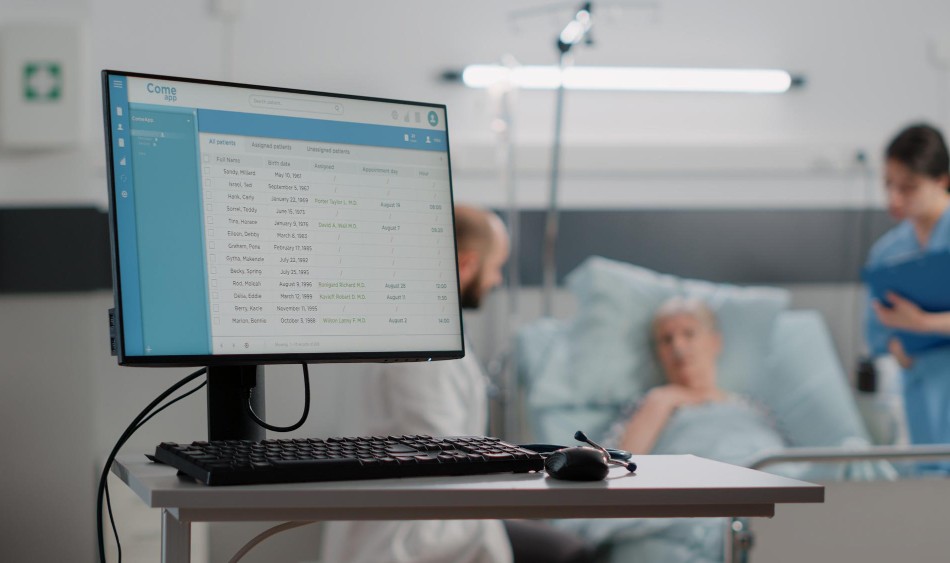
Run Payroll Nigeria from USA
In today’s global economy, it’s increasingly common for business owners in the United States to manage companies operating in Nigeria. Whether you’ve moved abroad for opportunity, education, or family reasons, your business back home continues to function, and one of the most critical functions you must manage is payroll.
Payroll in Nigeria is more than just paying salaries. It involves accurate salary calculations, statutory deductions, tax compliance, reporting, and record keeping. When you are physically distant from the core operations of your business, these responsibilities become more complex; not because the work changes, but because the lines of sight, accountability, and control become stretched.
Many remote owners end up relying on spreadsheets, a local accountant, or fragmented tools that are not built for Nigerian statutory requirements. Over time, this leads to errors, delayed payments, compliance risks, frustrated employees, and lost revenue.
This article will walk you step-by-step through what it takes to run payroll in Nigeria from the USA, why traditional approaches fail, and how you can implement a structured, compliant, and remote‑ready system that gives you control, clarity, and confidence, no matter where you are.
Understanding Payroll in Nigeria: More Than Just Salaries
Before diving into how to manage payroll remotely, it is important to understand what Nigerian payroll involves. Payroll in Nigeria is not just about disbursing salaries; it is a structured process that includes:
-
Accurate basic salary and allowances calculation
-
PAYE (Pay As You Earn) tax deduction and remittance
-
Pension contributions under the Pension Reform Act
-
NHF (National Housing Fund) deductions (where applicable)
-
NSITF contributions for employee insurance
-
Employee leave and benefit tracking
-
Payslip creation
-
Monthly and annual statutory reporting
Each of these components must be handled precisely. Errors can result in penalties, non‑compliance, unpaid benefits, or disgruntled employees.
For example, PAYE is calculated based on income and tax bands established by the Nigerian tax authorities. If PAYE is incorrectly calculated or remitted late, you risk financial penalties and compliance issues. Similarly, pension contributions must be calculated on both employee and employer shares and remitted to an approved Pension Fund Administrator (PFA) within regulatory deadlines.
The intricacy of these obligations means that payroll is a mission‑critical business function, one that requires accuracy, consistency, and compliance.
Why Running Payroll from the USA is Challenging
When you are physically present in Nigeria, you can oversee payroll, interact with your HR team in person, and address issues rapidly. From the USA, however, you face additional challenges:
1. Time Zone Differences
Payroll cycles and statutory deadlines in Nigeria are based on the country’s local time zone, which is different from that of many other countries, including the United States. Coordinating payroll tasks across time zones introduces the challenge of ensuring that payroll is processed on time, claims are submitted promptly, and statutory deadlines are met without delay.
For diaspora business owners managing Nigerian payroll remotely, this time zone difference can lead to missed deadlines, delayed payments, or even non-compliance with local tax and labor laws. Payroll and tax filings must be completed on specific dates to avoid penalties, and failing to account for the time zone difference can inadvertently result in missing these deadlines.
How to Overcome Time Zone Challenges
To manage payroll efficiently from abroad, it’s essential to create a clear and well-structured timeline that accounts for time zone differences. Here's how you can overcome these challenges:
-
Set Reminders: Utilize automated reminder systems and digital tools to ensure that payroll deadlines are not missed. Set up alerts well ahead of time to accommodate for time zone differences.
-
Work with a Local Payroll Team: Having a trusted HR or payroll team based in Nigeria can help bridge the gap. This team can manage the last-minute checks and submissions in accordance with local time zone requirements.
-
Use Payroll Software with Global Access: Opt for payroll software, like HRPayHub, that provides access to payroll and tax filing deadlines in real time, and allows you to manage tasks asynchronously across time zones. This way, you can process payroll and handle compliance with ease, even from abroad.
By proactively addressing time zone differences with these strategies, you can avoid potential disruptions and maintain smooth payroll operations for your Nigerian business.
2. Fragmented Systems
Many businesses and practices rely on fragmented systems; such as spreadsheets, paper records, WhatsApp messages, or disconnected tools that don’t communicate with each other. While these methods may seem sufficient initially, they often result in inconsistent data, manual errors, and a lack of visibility into critical payroll and employee information. For remote business owners managing payroll from abroad, this fragmentation adds complexity, making it more difficult to maintain accurate records, ensure compliance, and track payments.
Fragmented systems create inefficiencies, especially when information needs to be shared between different departments. A lack of integration means that HR, payroll, and accounting teams may be working with different sets of data, leading to discrepancies that can affect payroll processing, tax calculations, and other essential tasks. Moreover, it increases the likelihood of missing crucial updates, such as changes in employee status, tax regulations, or statutory deductions.
3. Lack of Real-Time Visibility
For remote business owners, one of the most significant challenges in managing payroll from abroad is the lack of real-time visibility. Without a centralized system, business owners are often left to rely on periodic updates, receiving payroll information only after the payroll has been processed. This delay makes it difficult to catch errors, discrepancies, or inconsistencies early in the process, leading to costly mistakes, compliance issues, and frustration for both employers and employees.
In the absence of real-time visibility, you may find yourself unable to track key metrics such as total payroll expenses, statutory deductions, or pending payments until it’s too late. This can make it harder to forecast cash flow, manage business expenses, and ensure that everything is in compliance with Nigerian tax and labor laws.
The inability to monitor payroll in real time can also lead to inefficiencies in communication. Employees may have questions or concerns about their pay, but without immediate access to data, addressing these concerns becomes time-consuming and reactive, rather than proactive.
4. Compliance Complexity
Managing payroll from abroad introduces the added challenge of staying compliant with Nigeria’s constantly evolving statutory requirements. These regulations are subject to periodic changes. As a remote business owner, keeping track of these updates and ensuring your practice remains compliant can be time-consuming, stressful, and error-prone.
Given that Nigerian tax laws, pension policies, and social security regulations change frequently, it’s essential to maintain constant vigilance to avoid costly fines, penalties, and audits. The complexity of complying with these regulations from abroad can cause delays and administrative errors. For example, failing to update tax bands, incorrectly calculating pension contributions, or missing the deadlines for remitting statutory deductions can have serious consequences, including financial penalties and reputational damage.
5. Communication Barriers
Effective communication is a cornerstone of any successful business operation, and this is especially true for remote teams managing complex functions like payroll. For diaspora business owners, maintaining clear communication between themselves, their HR teams, and payroll staff is even more critical, yet challenging due to the distance and time zone differences.
When payroll instructions are communicated through multiple intermediaries or when there are gaps in information, miscommunication can easily occur. This leads to delays, errors, and inconsistencies in payroll processing, which can result in missed deadlines, inaccurate payments, and frustrated employees.
The complexity of coordinating across different locations, time zones, and working cultures can amplify the risk of these miscommunications. In remote payroll management, the more people involved in the communication chain, the more opportunities there are for mistakes. Without a unified system in place, instructions can become diluted, resulting in payroll errors that could have been avoided with better communication and streamlined processes.
The Cost of Inefficient Payroll: Why It Matters
Getting payroll wrong isn’t just an administrative inconvenience, it has real financial and operational consequences:
1. Financial Penalties
Incorrect tax deductions or missed remittances can result in penalties from Nigerian regulatory authorities like the Federal Inland Revenue Service (FIRS) and state tax boards.
2. Cash Flow Disruption
Delayed payments to employees or pension administrators can disrupt your company’s cash flow and create financial stress.
3. Employee Trust and Retention
Employees who are underpaid, overcharged, or who experience delays lose confidence in the company, affecting retention and morale.
4. Compliance Audits
Inaccurate payroll records expose your business to audit risks, which can trigger legal scrutiny, fines, and reputational harm.
5. Lost Efficiency and Time
Manual payroll systems consume time that could be better spent on strategy, growth, and core business activities.
How to Run Payroll from the USA: Key Principles
To effectively run Nigerian payroll from the USA, you need a system that provides:
1. Centralized Data Management
All employee records, salary components, deductions, and tax calculations must be stored and managed in one system that you can access remotely.
2. Automated Calculations
Payroll calculations, including statutory obligations, must be automated to reduce human error.
3. Real‑Time Visibility
You must be able to see payroll status, outstanding payments, and compliance indicators at any time.
4. Compliance Monitoring
The system should reflect statutory requirements such as PAYE thresholds, pension contributions, and remittance deadlines.
5. Secure Remote Access
Payroll systems should be accessible from anywhere with robust security and encryption to protect sensitive employee data.
Step‑by‑Step Guide to Running Nigerian Payroll from the USA
Here’s a structured approach to managing payroll for your Nigerian business from the United States:
Step 1: Choose the Right Payroll Platform
Select a payroll system that:
-
Is designed for Nigerian statutory payroll requirements
-
Offers remote access via secure login
-
Provides real‑time reporting
-
Supports integration with HR and accounting functions
A platform built for Nigerian payroll ensures that all statutory obligations are calculated and tracked correctly.
Step 2: Centralize Employee Records
Make sure all employee information; such as tax identification numbers, job roles, salary structures, and bank details, are stored in one digital system. Centralization prevents inconsistencies and makes payroll processing faster and more accurate.
Ensure data is complete and up‑to‑date for:
-
Personal details
-
Employment contracts
-
Pay grades and allowances
-
Statutory deductions
Step 3: Automate Statutory Deductions
Statutory deductions in Nigeria include:
-
PAYE (Pay As You Earn) tax
-
Pension contributions
-
NHF contributions
-
NSITF remittances
Your payroll system should automatically calculate these based on current rules and thresholds, ensuring compliance without manual intervention.
Step 4: Generate Payslips and Reports
One of the core functions of payroll is producing payslips that employees can trust and understand. The system should generate:
-
Clear payslips for employees
-
Consolidated remittance reports
-
Statutory compliance reports
These reports should be accessible to both management and employees (where appropriate) for transparency.
Step 5: Schedule Regular Payroll Runs
Establish a consistent payroll schedule, such as monthly or bi‑weekly, and ensure that all stakeholders are aware of payroll deadlines. A fixed schedule helps in planning payments, remittances, and reporting.
Step 6: Verify Before Processing
Always review payroll calculations before final processing. During this review:
-
Confirm employee data is current
-
Validate statutory deductions
-
Check for anomalies or unusual entries
This helps catch errors before payments are released.
Step 7: Ensure Timely Remittances
Once payroll is processed:
-
PAYE should be remitted to the appropriate tax authority
-
Pension contributions must be sent to the PFA
-
NSITF or NHF deductions (if applicable) should be submitted
These remittances must occur within regulatory timelines to avoid penalties.
Best Practices for Remote Payroll Management
Managing payroll remotely requires discipline and clear processes. Here are some best practices to help ensure accuracy and efficiency:
1. Standardize Your Payroll Workflow
Document your payroll process, including timelines, approval steps, and responsibilities. This ensures consistency, especially when multiple people access and manage payroll.
2. Stay Updated on Regulatory Changes
Nigerian payroll regulations change periodically. Regularly monitor updates from:
-
Federal Inland Revenue Service (FIRS)
-
National Pension Commission (PenCom)
-
Relevant state tax authorities
3. Use Secure Remote Access Tools
Ensure your payroll system uses secure authentication, encrypted data transmission, and controlled access rights to protect sensitive data when accessed from the USA.
4. Communicate with Your On‑Ground Team
Remote management does not mean isolation. Maintain clear communication channels with your HR and finance teams in Nigeria to resolve issues quickly and ensure alignment.
5. Schedule Regular Payroll Audits
Periodic payroll audits help identify discrepancies before they become systemic. Audits ensure that:
-
Coding errors are minimized
-
Calculations reflect the most recent regulations
-
Claims and remittances are up to date
Common Challenges and How to Overcome Them
Even with the right system and processes, remote payroll management has its challenges. Here’s how to address the most common ones:
1. Time Zone Coordination
Coordinate schedules with your Nigeria team to allow for real‑time collaboration during critical payroll times.
2. Miscommunication
Use project management and communication tools (e.g., Slack, Teams) to reduce misunderstandings and ensure clarity.
3. Data Discrepancies
Ensure all employee records are synchronized across all systems (HR, payroll, accounting) to prevent discrepancies.
4. Compliance Missteps
Regularly educate your team about updates to Nigerian statutory requirements and adjust payroll calculations accordingly.
Choosing the Right Payroll Platform for Nigeria
When evaluating payroll solutions for your Nigerian business, consider the following features:
-
Nigerian statutory compliance tools
-
Remote access and control dashboards
-
Integration with HR and accounting
-
Automated statutory calculation
-
Payslip and reporting features
-
Secure authentication and encryption
Tools that combine these capabilities provide the greatest value and ensure that remote payroll does not become a liability.
Conclusion: Run Payroll with Confidence from the USA
Managing payroll for a Nigerian business from the USA does not have to be a challenge you dread. With the right systems, processes, and best practices in place, you can ensure accurate payroll, statutory compliance, and peace of mind.
By centralizing data, automating calculations, maintaining real‑time visibility, and enforcing structured workflows, your payroll process can become more reliable, efficient, and compliant. Remote management of payroll is about taking control, structure, and clarity. With the right approach, your business in Nigeria can run payroll seamlessly from the USA, supporting both financial health and operational excellence.
Sign up for HRPayHub and gain the tools you need to manage payroll accurately, compliantly, and confidently from anywhere in the world.