Best Attendance Tracking Software for Canadian Small Businesses
When you have five employees working in one office, keeping track of who arrives on time, takes leave, or works overtime may be straightforward. But when your workforce expands to 20, 50, or even 100 employees across different locations, attendance management can quickly become a serious administrative challenge.
For many Canadian small businesses, traditional attendance registers, Excel spreadsheets, and manually prepared timesheets are no longer sufficient to manage modern workforce requirements.
Employees work different shifts, some operate remotely, and others travel between customer locations. Managers must monitor clock-in and clock-out times, approve overtime, manage absences, and ensure sufficient staff coverage.
These responsibilities become even more complicated when businesses must comply with different Canadian federal and provincial employment standards.
Fortunately, employee attendance tracking software offers a more organized and efficient approach to workforce management.
Modern attendance management systems help businesses record working hours, monitor punctuality, coordinate employee schedules, manage leave, and prepare accurate timesheets.
Some solutions also integrate attendance information with broader human resource management and payroll processes, reducing the need for repetitive administrative work.
But with numerous options available, how do you choose the best employee attendance tracking software for your Canadian business?
This guide explores the benefits of digital attendance management, essential software features, leading solutions available to Canadian employers, and practical considerations for selecting a system that supports business growth.
Why Employee Attendance Tracking Matters for Canadian Businesses
Accurate attendance tracking is essential for managing employee productivity, labour costs, payroll information, and operational efficiency.
For businesses employing hourly workers, attendance records help determine actual hours worked and support calculations involving regular pay, overtime, and applicable paid leave.
For organizations with shift-based operations, attendance information also helps managers understand whether the right employees are available at the right time.
Consider a small healthcare organization in Toronto employing 35 nurses, caregivers, and administrative staff. Employees work different schedules, including mornings, evenings, weekends, and overnight shifts. If attendance is tracked through separate spreadsheets, managers may struggle to identify late arrivals, missed shifts, or staffing shortages.
Similarly, a Canadian retail business operating several branches may have difficulty consolidating employee timesheets from different store managers.
These challenges can affect service delivery, employee satisfaction, and operating costs.
The Limitations of Manual Attendance Tracking
Manual systems create opportunities for data entry errors, missing records, delayed approvals, and inconsistent reporting.
An employee might forget to complete a timesheet, while a manager may overlook overtime hours or incorrectly record an absence.
When information is collected through multiple files, HR teams often spend additional time reconciling records before payroll processing.
Digital attendance software can reduce these problems by creating a consistent system for recording and reviewing employee time information.
For Canadian businesses planning to expand, investing in a reliable time and attendance management system can improve workforce visibility and reduce administrative pressure.
What Is Employee Attendance Tracking Software?
Employee attendance tracking software is a digital solution that helps organizations record and manage employee working hours, attendance patterns, absences, and related workforce information.
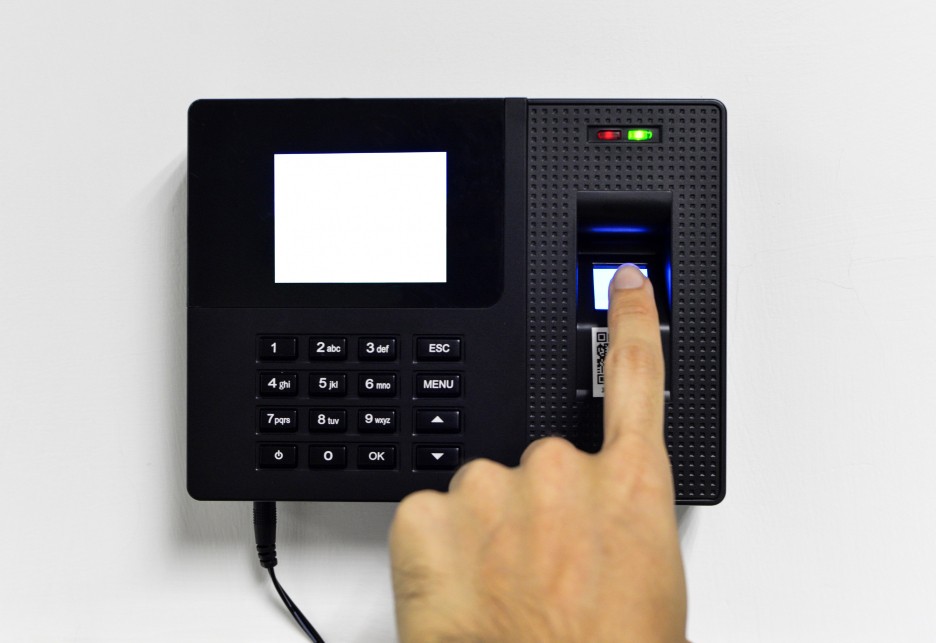
Depending on the platform, employees may clock in and out using mobile devices, computers, shared workplace terminals, or other supported methods.
Managers can then review attendance records, approve timesheets, investigate discrepancies, and generate reports.
Some systems also provide shift scheduling, overtime visibility, leave management, and employee self-service capabilities.
More comprehensive HR management software platforms connect attendance tracking with employee records, departmental management, reporting, and payroll-related workflows.
For example, when an employee requests vacation leave, an integrated system may help managers assess team availability before approving the request.
Similarly, approved attendance records may be used to prepare payroll information, reducing repeated data entry.
However, businesses should distinguish between software that simply records employee hours and systems that provide complete HR and payroll management.
The right solution depends on your organization's workforce structure, operational needs, and budget.
Essential Features of the Best Employee Attendance Tracking Software
Before comparing software providers, Canadian small businesses should understand which features matter most.
Digital Clock-In and Clock-Out
A reliable employee clock-in and clock-out system should make it easy to record when employees begin and finish work.
Mobile attendance tracking may be useful for employees working remotely or across multiple locations, while shared terminals may be more practical for employees based at one workplace.
The system should also provide a controlled process for correcting forgotten or inaccurate clock-ins.
Automated Timesheets
Manual timesheet preparation can consume considerable administrative time.
Digital timesheets help organize recorded working hours and make it easier for managers to review attendance information before approving payroll inputs.
Businesses should look for systems that preserve an appropriate history of edits and approvals.
Shift Scheduling and Workforce Planning
For healthcare organizations, restaurants, retail stores, and other shift-based businesses, attendance tracking works best when connected with scheduling.
Managers should be able to compare planned shifts against actual attendance and identify staffing gaps.
A solution offering employee scheduling software alongside attendance management can reduce coordination problems.
Leave and Absence Management
Employee vacation, sick leave, and other absences affect workforce availability.
An integrated leave management system helps businesses maintain clearer records of approved time off and identify potential scheduling conflicts.
Reporting and Analytics
Attendance reports help managers identify recurring lateness, absenteeism, overtime patterns, and workforce availability issues.
These insights can support staffing decisions and operational planning.
Security and Access Controls
Attendance systems contain employee information that should be protected.
Employers should evaluate access permissions, data protection arrangements, and how the software handles sensitive information.
These considerations are particularly important when evaluating GPS tracking, biometric attendance, or other monitoring technologies.
Best Employee Attendance Tracking Software for Canadian Small Businesses
Several software solutions offer attendance management capabilities suitable for Canadian employers.
However, the best choice depends on whether your organization needs basic time tracking, shift scheduling, payroll coordination, or a broader HR management system.
1. HRPayHub – Integrated HR, Attendance and Workforce Management
HRPayHub is a cloud-based HR management platform designed to help growing businesses organize employee records, attendance, leave administration, scheduling, and workforce reporting.
Rather than treating attendance as an isolated administrative task, HRPayHub brings it into a broader employee management environment.
This approach can be especially useful for Canadian small businesses that currently maintain separate spreadsheets for employee records, leave requests, attendance, and scheduling.
HRPayHub provides attendance visibility, time management tools, employee records, leave management, and reporting capabilities.
Its Rota and Scheduling solution for Canadian businesses also supports workforce planning for organizations managing different shifts, operating locations, and working patterns.
For example, a growing Canadian healthcare provider may need to coordinate employee shifts while monitoring absences and ensuring sufficient workforce coverage.
Having attendance, scheduling, and employee information within a connected HR environment can make these activities more manageable. HRPayHub is particularly relevant to businesses looking beyond a standalone time clock and considering a more comprehensive HR management platform.
Organizations should confirm their required clock-in methods, integrations, Canadian payroll functionality, implementation arrangements, and subscription pricing during a product demonstration.
2. QuickBooks Time – Attendance Tracking With Accounting Integration
QuickBooks Time is a time tracking solution designed to help businesses monitor employee working hours and coordinate timesheet information.
It can be particularly attractive to businesses already using QuickBooks accounting or compatible payroll products.
Employees can record time through supported mobile devices, while managers can review timesheets and organize scheduling information.
The platform also offers GPS-related features for businesses that require location-aware time tracking.
For example, a small Canadian construction company may have employees working across several job sites.
QuickBooks Time can help organize working-hour records and coordinate time information with relevant financial workflows.
However, businesses should review subscription requirements, integration compatibility, and the full cost of using related QuickBooks products.
It may be suitable for organizations prioritizing time tracking and accounting integration rather than comprehensive HR administration.
3. Deputy – Employee Scheduling and Time Management
Deputy provides employee scheduling, time and attendance management, and workforce coordination tools.
The platform is particularly relevant to businesses with hourly employees, rotating shifts, and frequently changing staffing requirements.
Managers can create schedules, communicate shift information, and review attendance records.
These capabilities may be useful for restaurants, retail stores, hospitality businesses, and service organizations. Connecting scheduling with actual attendance can help managers identify workforce gaps and review labour costs.
Deputy may be worth considering when sophisticated shift scheduling is a primary requirement.
Canadian employers should verify applicable labour-rule configurations, pricing, and payroll integrations before deciding.
4. Connecteam – Mobile Attendance Tracking for Deskless Teams
Connecteam is an employee management platform offering mobile time tracking, scheduling, communication, and workforce coordination features.
It is particularly relevant to businesses with employees who don't work at traditional desks.
Examples include cleaning companies, field service providers, logistics businesses, and construction contractors.
Its mobile time clock features can help employees record working hours away from a central office.
Some location-related capabilities may also help businesses verify attendance at designated workplaces.
For example, a Canadian facilities management company with employees working at different customer locations could use mobile attendance records to coordinate field operations.
However, location monitoring must be implemented transparently and in accordance with applicable privacy requirements.
Connecteam can be attractive to businesses prioritizing mobile workforce management, although employers should verify which features are included in each subscription package.
5. 7shifts – Attendance and Scheduling for Restaurants
7shifts focuses on workforce management for restaurants.
Its features include employee scheduling, time clocking, labour management, and team communication.
For Canadian restaurant owners, coordinating attendance with changing customer demand is especially important.
A restaurant may need additional employees during weekends or busy evenings while maintaining smaller teams during quieter periods. A hospitality-focused scheduling solution can help managers align staffing decisions with operational needs.
7shifts is therefore worth considering for restaurants and food service businesses that need industry-specific attendance and scheduling functionality.
However, a professional services company or healthcare organization may find that a broader HR management system better suits its requirements.
How Attendance Tracking Software Can Reduce HR Administrative Costs
Employee attendance software isn't simply a replacement for paper registers.
Its financial value comes from improving processes that otherwise require significant administrative effort.
Consider a Canadian business employing 40 hourly workers.
Each employee submits a weekly timesheet, and an administrator spends approximately five minutes reviewing and entering each record.
That represents more than three hours of administrative work every week, before considering corrections, manager approvals, or payroll reconciliation.
Over 50 working weeks, this hypothetical process requires approximately 167 hours.
A digital attendance system may reduce some of that workload by organizing records and simplifying approval workflows.
The actual savings depend on the software, current processes, and employee adoption.
Businesses may also benefit from fewer timesheet discrepancies, better workforce planning, and improved visibility into overtime.
For growing organizations, these operational improvements can be more valuable than the initial convenience of digital clock-in and clock-out.
HRPayHub discusses the wider benefits of moving beyond manual administration in 10 Signs Your Canadian Business Has Outgrown Manual HR Management.
Canadian Employment Standards and Attendance Recordkeeping
Canadian employers must consider applicable employment standards when selecting attendance software.
Employment requirements aren't identical across the country. Federal labour standards apply to federally regulated workplaces, including certain banking, telecommunications, and interprovincial transportation operations.
Most other businesses are generally subject to provincial or territorial employment standards.
Accurate Working-Hour Records
The Government of Canada's hours-of-work guidance explains requirements for federally regulated workplaces, including the obligation to maintain accurate daily working-hour records.
Provincial requirements may differ. For example, Ontario's employment standards recordkeeping guidance explains the records employers must maintain under the province's Employment Standards Act.
Businesses operating in multiple provinces should therefore ensure their attendance processes can accommodate the requirements applicable to each workforce.
Overtime and Break Management
Attendance software can help identify hours that may qualify for overtime under applicable employment standards.
However, overtime thresholds and exemptions vary by jurisdiction and employee category.
Likewise, rules concerning rest periods and meal breaks may differ.
Employers should confirm that software settings reflect the relevant requirements rather than assuming one national configuration applies everywhere.
Employee Privacy and Monitoring
Digital attendance systems may collect personal information, particularly when using GPS, facial recognition, biometrics, or location tracking.
The Office of the Privacy Commissioner of Canada emphasizes the importance of appropriate employee privacy practices.
Employers should explain what information is collected, why it's necessary, who can access it, and how long it will be retained.
They should also consider whether less intrusive attendance methods can meet their operational needs.
Software can support recordkeeping and workforce controls, but using it doesn't automatically guarantee employment-law or privacy compliance.
How to Choose the Right Attendance Tracking Software for Your Business
The best attendance tracking software isn't necessarily the platform with the longest feature list.
It's the system that addresses your organization's actual workforce challenges.
A small accounting firm with 12 office employees may need straightforward attendance records and leave visibility.
A healthcare organization employing 80 shift workers may require advanced scheduling, absence management, and workforce reporting.
A construction business may prioritize mobile time tracking across multiple job sites.
Begin by identifying the problems you want to solve.
If payroll corrections are frequent, examine how attendance information moves into payroll.
If managers struggle to cover shifts, prioritize scheduling and availability tools.
If employee records are scattered across spreadsheets, consider an integrated HR platform.
Evaluate the Total Subscription Cost
Canadian businesses should compare more than advertised monthly prices.
Some providers charge per employee, while others use subscription tiers, base fees, location-based pricing, or additional charges for advanced functionality.
Implementation, training, integrations, support, and data migration may also create costs.
Ask vendors for a complete quotation covering your expected workforce size.
For businesses planning to expand, confirm how pricing changes when additional employees or locations are introduced.
Request a Practical Demonstration
Before subscribing, request a demonstration using your actual attendance scenarios.
Ask the provider to show how an employee clocks in, how a manager reviews a missed punch, how overtime is identified, and how approved attendance records are prepared for payroll.
If your business manages multiple branches, request a demonstration of location-based workforce reporting.
This allows you to assess the software based on practical workflows rather than marketing descriptions alone.
Why Integrated HR and Attendance Management Is Becoming More Important
Attendance information is closely connected to other HR activities.
An employee's schedule affects workforce availability. Approved leave affects attendance expectations. Actual working hours may influence payroll information. Attendance trends can also inform staffing and operational decisions.
When these functions are managed through disconnected systems, businesses spend additional time transferring and reconciling information.
An integrated HR and attendance management system can help establish a more consistent workflow. HR administrators can maintain employee records while monitoring attendance information through a common environment.
This broader approach is particularly useful for growing Canadian businesses that need improved coordination across teams or locations.
HRPayHub's Canadian HR software is positioned around centralized employee administration, attendance visibility, leave management, workforce coordination, and reporting.
For businesses considering long-term digital transformation, integrating attendance with broader HR operations may provide greater value than purchasing an isolated clock-in application.
Conclusion
Selecting the right solution requires careful consideration of workforce requirements, implementation costs, Canadian employment standards, and employee privacy.
Businesses should also consider whether they need only a digital time clock or a broader HR management platform that connects attendance with employee records, leave administration, scheduling, and reporting.
For growing organizations, an integrated approach can help reduce fragmented processes and support more informed workforce decisions.
Ready to simplify employee attendance tracking and improve HR management in your Canadian business? HRPayHub helps businesses centralize employee records, coordinate attendance and leave, manage workforce schedules, and improve operational visibility through an integrated HR platform. Explore HRPayHub's Canadian attendance and scheduling solution and request a demonstration today to discover how your business can reduce manual administration and build a more organized, efficient workforce.